Rubbish Removals: Our Recycling and Sustainability Commitment
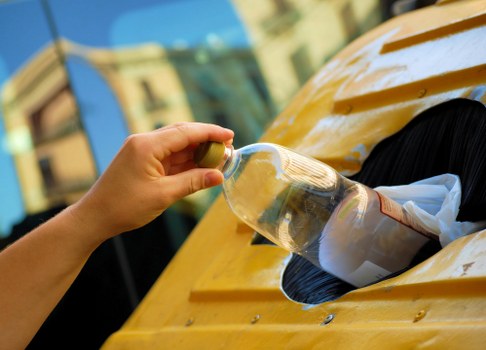 Rubbish Removals operates with a clear environmental mission: to reduce landfill waste, increase reuse, and support the circular economy across the boroughs we serve. Our rubbish removal service focuses on diverting as much material as possible into recycling streams, rehoming items through charity partners, and using low-emission vehicles for collection. We set an ambitious recycling percentage target each year to drive continuous improvement and make measurable progress toward sustainable waste management.
We aim to achieve a recycling percentage target of 85% for all non-hazardous material collected from domestic and commercial clear-outs within three years. This target reflects a mix of direct recycling, material recovery at transfer stations, and donation pathways that keep perfectly usable items in circulation. Our waste removal approach is practical, data-driven and aligned with local environmental plans.
 The local transfer stations we use are critical partners in our chain. They enable efficient sorting, bulking and onward distribution to recycling facilities for paper, cardboard, glass, metal and plastics. We work closely with council transfer yards and licensed Materials Recovery Facilities (MRFs) to ensure that separation standards are met and contamination rates are minimised. Our rubbish collection teams are trained to separate streams on-site to help the boroughs meet their kerbside separation goals.
How our waste removal and rubbish collection processes work
When you book our waste removal or rubbish collection service, our operatives assess the load and identify recyclable components. We prioritise segregation at source: organics and food waste are separated where the boroughs' composting programmes exist, and paper, glass and rigid plastics are boxed or baled for direct transfer. This front-line sorting reduces contamination and increases the percentage of material that can be recycled effectively.
Our waste management services include scheduled collections, one-off clearances and commercial skip alternatives. We promote reuse via partnerships with charities and community groups so that furniture, appliances and textiles in good condition are offered a second life instead of being processed as general waste. These donation routes are an essential element of our strategy to hit the targeted recycling rates.
To make our collection operations greener we deploy a fleet of low-carbon vans. These include electric and hybrid vehicles that reduce tailpipe emissions during local rounds and inner-city work. The vehicles are maintained to high standards to ensure fuel efficiency and minimise our carbon footprint, contributing to the broader goals of local air quality improvement and climate action.
Local partnerships and borough-focused recycling activity
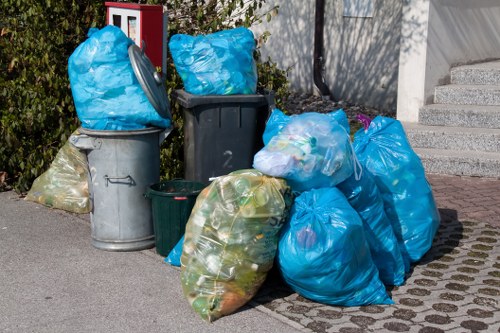 We have formal partnerships with several charities and social enterprises who collect reusable goods from our drop-off points and transfer stations. These organisations benefit from steady streams of furniture, clothing and appliances which they refurbish and resell or distribute to people in need. Such arrangements support local communities, reduce waste, and keep materials in use longer ??? a practical embodiment of the circular economy in action.
Our teams also participate in borough-level recycling initiatives, such as separated food waste collection pilots, glass deposit programmes and textile banks. These projects often require tailored handling and documentation, and our rubbish removal crews are briefed so that our service complements local council recycling schemes rather than undermining them. We highlight the importance of source separation for accurate recycling: paper and cardboard in one stream, mixed glass in another, and designated containers for food and garden waste where available.
We work with transfer stations that accept segregated loads and divert materials to the correct processing lines. This collaboration includes reporting back to local authorities on tonnages recycled, items donated to charities, and the proportion of materials sent to energy recovery or landfill. Transparency and accurate recording help everyone measure progress toward regional recycling targets.
Beyond collection and separation, our sustainability programme covers operational efficiency and long-term planning. We invest in staff training, route optimisation software and container labelling systems to keep contamination rates low. We also audit our partnerships annually and adjust our approach in response to changes in local recycling policies and market demand for recyclables. Our waste removal services are designed to be adaptable to each borough's approach to waste separation and recycling.
![Three black plastic rubbish bags, tightly knotted at the top, are lined up in a row on a plain white surface. The bags appear to be filled with waste materials, showing a slightly rounded shape with some bulging around the middle. Their glossy, crinkled texture indicates they are made of standard polythene suitable for waste disposal. The background is clean and featureless, emphasizing the bags without any environmental or setting context. This simple arrangement suggests a typical domestic or commercial rubbish collection scene, relevant to waste management services such as those provided by Rubbish Removals in the local area near [POSTCODE] or [TOWN]. The image visually supports themes of waste collection, rubbish disposal, and recycling efforts, fitting well within a page focused on recycling and sustainability, and evoking the routine of rubbish removal services across the region.](/pub/_photos/rubbish/f1341970832.jpg) Key recyclable streams we focus on include:
Key recyclable streams we focus on include:
- Paper and cardboard ??? baled and sent to pulp and paper mills
- Glass ??? sorted by colour where possible and sent to remelt facilities
- Metals ??? ferrous and non-ferrous separated and recycled
- Plastics ??? rigid containers reprocessed, with flexible plastics routed where there is viable recycling
- Textiles and furniture ??? refurbished through charity partners for resale or reuse
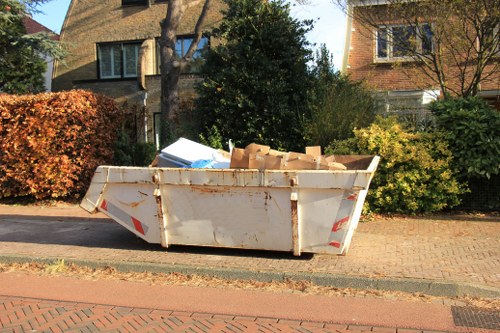 Our commitments are clear: to achieve and sustain a high recycling percentage target, to partner with local transfer stations and charities, and to operate a low-carbon fleet for cleaner collections. We continually refine our rubbish removal, rubbish collection and waste removal services to ensure they are efficient, compliant and environmentally responsible. By working with councils, transfer hubs and community organisations we drive better outcomes for materials, people and the planet.