Rubbish Removals in London
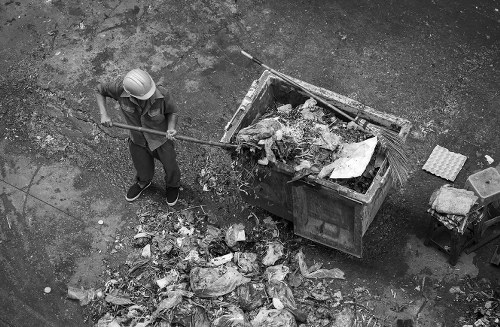
Rubbish removals in London need a service that can handle mixed household and business waste with care, clarity and the right disposal route. We provide a straightforward rubbish removal service for people who want unwanted items, general waste and bulky materials collected and taken away without the hassle of arranging transport themselves. The work can cover a single awkward item, several sacks of waste, or a more involved clear-out where different materials need separating before disposal.
Our main focus is practical removal and responsible onward handling. That includes collecting items that are too large for normal bins, taking away rubbish from homes, flats, offices and other premises, and moving material into the correct stream where recycling or disposal is appropriate. We aim to keep the process simple while still leaving room for the details that matter, such as access, item type and the overall volume of waste.
For a fuller look at the kinds of waste we can deal with, you can explore our waste removal and bulk waste collection pages. If you already know the kind of item or load you need clearing, a short note about the contents and collection point helps keep the next step focused and accurate.
Household rubbish and bulky item collection
Household rubbish can build up in different ways, from leftover packaging and broken furniture to mixed items gathered during a clear-out. Our rubbish removal work is designed to handle those jobs in a controlled, tidy way rather than treating everything as a single generic load. Where pieces are reusable, recyclable or require special handling, we separate them before disposal so the material is directed appropriately. This is especially useful when a clear-out includes a combination of soft furnishings, bagged waste and awkward items that are difficult to move safely.
If the job involves furniture, beds or other large domestic pieces, the collection can be planned around weight, access and dismantling needs. You can read more about the kinds of items commonly handled on our furniture collection and sofa collection pages. For mattresses and other bedroom waste, separate item-specific disposal routes may be useful, and we provide dedicated pages for mattress disposal and bed disposal.
- single-item collections for large or awkward furniture
- mixed domestic rubbish from a room, loft or garage
- bagged waste that needs responsible sorting
- clear-outs where different materials should not be treated the same way
Clearances for homes, flats and outbuildings
Some customers need removal work that goes beyond loose rubbish and into fuller clearances. That may mean clearing a flat after furniture has been removed, emptying a loft before renovation, or taking away accumulated items from a garage or spare room. Our home clearance and house clearance options suit larger domestic jobs where the main task is to remove a significant amount of unwanted material in one planned visit. These services are also useful where the contents are mixed and need careful sorting before loading.
Smaller, more specific spaces can also be dealt with on their own terms. A loft or garage often contains a mix of boxes, broken items, old storage and renovation leftovers, so it helps to clear these areas in a practical order rather than rushing. Our loft clearance and garage clearance pages describe those service types in more detail. If the job relates to an apartment or shared access building, a flat clearance route may be the best fit for access and removal planning.
When the scale of the task is still unclear, a short list of what needs to go is often enough to shape a sensible arrangement. It is useful to note any particularly heavy pieces, whether there are stairs or narrow corridors, and whether items are stored in more than one room. That keeps the collection efficient without adding unnecessary complication.
Garden, builders and outdoor waste
Rubbish removal is not limited to household clutter. Many collections involve outdoor waste after landscaping, repairs or general maintenance, and these loads can differ significantly from ordinary domestic rubbish. Our garden clearance service is intended for items such as soil bags, cuttings, old plant material, broken pots, timber offcuts and other outdoor debris. Where the load is mixed, we separate suitable material from general waste so the disposal route is more responsible and easier to manage.
Building work creates its own kind of waste, and that often needs to be collected without delaying the rest of the project. Our builders waste clearance page covers rubble, packaging, offcuts and other post-work debris that can build up during repairs or refurbishment. If your project has left different waste streams together, it is usually better to describe them clearly at the enquiry stage so the collection can be matched to the correct disposal approach rather than assuming every material will be treated the same.
For larger or more varied loads, a waste collection that focuses on the exact material type can be helpful. You may wish to compare our waste collection and waste disposal pages if you are deciding how much sorting is needed and whether the job is mainly removal, disposal or both. Clear access information and a realistic description of the waste usually make the whole process easier to plan.
Furniture, white goods and bulky item handling
Bulky items need careful handling because they can be heavy, awkward or difficult to move through hallways and stairwells without damage. Our furniture-related pages explain different collection and disposal routes for common household pieces, including sofas, tables, wardrobes and other large items that no longer need to stay on site. Depending on the item and condition, it may be suitable for re-use, recycling or disposal, and the most sensible route depends on what the load contains. We keep that decision practical rather than overcomplicating it.
Some bulky waste sits outside standard furniture categories. White goods such as fridges, washing machines and other appliances may need specific handling because of their size and component materials. Our white goods recycle page is relevant where appliances need to be taken away with recycling in mind, while the fridge disposal page addresses one of the most common appliance collections. For soft furnishings, the sofa removal and mattress collection pages may be more appropriate than a general removal route.
Not every collection is about a full room or property clear-out. Sometimes the right answer is simply to remove one heavy item and avoid the effort of hiring transport or making repeated journeys. In those cases, a focused bulky-item service can be the most direct solution, especially when the item is difficult to carry, does not fit in a car or needs more than one person to move safely.
Business, office and commercial waste
Commercial rubbish removal needs to be reliable, organised and suitable for the way a workplace operates. Offices, shops and other business premises often generate mixed waste, including old desks, shelving, packaging, archive material and general refuse from day-to-day activity or a move. Our business waste removal and office clearance pages cover these kinds of jobs, where the aim is to remove surplus material efficiently while keeping disruption to a sensible level.
Workplace clearances may involve furniture as well as waste, particularly when a business is reorganising space or replacing older fixtures. Desks, chairs, storage units and similar items can often be removed alongside general rubbish, but it helps to describe the mix accurately so the collection can be matched to the load. If the premises are being emptied rather than tidied, a broader commercial clearance can be more appropriate than a simple rubbish pickup. It is the type of material, not just the volume, that shapes the best approach.
For business customers, useful details include whether the load is on one floor or several, whether there are loading restrictions, and whether the waste includes recyclable materials, confidential paper or heavy furniture. Those points help make the collection practical without pretending every job is identical. If you need to compare service styles, the waste clearance and rubbish clearance pages offer complementary options for wider or more focused work.
Price factors and preparing a quotation
Several practical factors shape a rubbish removal quotation. The type of waste matters, because heavy, bulky, awkward or specialist items can take different handling and disposal routes. Volume is important too, but it is not the only consideration: access, loading distance, sorting requirements and whether items need dismantling can all affect the arrangement. Pricing also depends on whether the waste is general rubbish, furniture, appliances or a mixture of several categories. A clear description usually leads to a clearer estimate.
To help with a quotation, it is useful to have a rough idea of what needs removing and where it is located. Photographs can be helpful when they show the full load and the access route, while a short written list works well for more straightforward jobs. If the collection is part of a bigger project, mention anything relevant such as stairs, basements, garden paths, shared entrances or limited parking. Good preparation is not about making the job look simple; it is about making the details visible.
If you are comparing options, our pricing and quotes page is a sensible next step. For customers who also want to understand handling standards and site safety, the insurance and safety page and the health and safety policy page provide supporting information. Please get in touch for a quotation if you are ready to move ahead.
About London
London is one of the world’s most densely layered capital cities, with its history visible in everything from Roman street traces to post-war estates, Victorian terraces and contemporary towers. The city grew around the River Thames, which still shapes movement, trade and the way districts are divided and connected. Westminster, the City, the South Bank and the East End each carry distinctive identities, yet they also sit within the same vast urban fabric where local detail matters as much as the metropolitan scale. The Underground, mainline rail, buses and river services create a transport network that links areas of very different character, from central commercial streets to quieter residential neighbourhoods.
London’s landmarks range from national institutions such as the British Museum, the National Gallery and the Tate Modern to open spaces like Hyde Park, Hampstead Heath, Greenwich Park and Richmond Park. The Thames remains a defining feature, crossed by bridges that are themselves part of the city’s architectural story, while docklands, canals and former industrial land show how the metropolis has continuously adapted. Historic churches, market streets, garden squares and conservation areas sit alongside modern developments, giving the city a varied built environment rather than a single visual style. Cultural life is equally broad, with theatres, concert halls, galleries, markets and festivals spread across many districts.
Neighbourhood identity often matters more than borough boundaries in daily life, and London contains many place names that are familiar well beyond their administrative geography. Areas such as Camden, Notting Hill, Brixton, Greenwich, Shoreditch and Wimbledon have each developed recognisable associations through architecture, commerce, leisure and local history. This patchwork of districts, waterways, parks and landmarks gives the capital its unusual mixture of scale and intimacy, where a short journey can take someone from civic centre to riverside path, or from a shopping street to a quiet square lined with trees.
Collection types and disposal routes
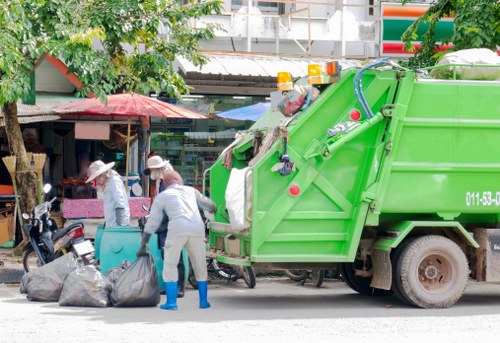
Different waste streams often need different handling, which is why a general rubbish removal service works best when the contents are described clearly. Some loads are mostly household rubbish, while others contain recyclables, furniture, metal, wood, appliances or mixed items from a clear-out. We aim to route waste sensibly rather than treat every collection as identical. That approach matters when customers want a practical outcome but also expect the material to be dealt with in a responsible way.
Our service range includes standard rubbish removal as well as more specific pages for waste clearance, waste disposal and rubbish removal. Those pages are useful when you are deciding whether the job is mainly about taking material away, clearing a larger space or arranging a disposal route for a particular mix of items. Choosing the most fitting page is less about labels and more about what the load actually contains.
Where items can be separated for recycling, that is usually better than sending everything through the same route. That applies especially to mixed clear-outs where paper, metal, furniture and electrical items may all appear together. The final handling step should follow the material in front of us, not a one-size-fits-all assumption. If you want a broad view of our sustainability approach, the recycling and sustainability page gives useful background.
How to plan a straightforward collection
Two pieces of information usually make a big difference when planning a collection: what needs to go, and how it can be reached. That may sound simple, but it helps to be specific about whether the items are in a front room, loft, basement, garden, office store or shared building. If the collection includes heavy items, let us know whether they can be carried safely as they are or whether they will need dismantling first. The more accurately the waste is described, the easier it is to match the right approach to the job.
It is also helpful to think in terms of access rather than just volume. A small pile down two flights of stairs may take more effort than a larger load at ground level, while a single item in a narrow hallway can be more awkward than several bags with clear space around them. That is why general rubbish removal is best arranged on practical details, not assumptions. Once those basics are clear, the collection can be planned with fewer surprises and less unnecessary back-and-forth.
When you are ready, you can move straight to a quotation request. For businesses, domestic customers and landlords alike, a concise description of the waste usually gets the process moving quickly. Please ask for a quote when you are ready, and we will work from the details you provide.
Support pages and service information
Some customers prefer to read the supporting pages before choosing how to proceed, especially when the job involves mixed materials or a larger property clearance. Our website includes pages for about us, contact us and pricing and quotes, along with policies covering payment, complaints, privacy and site safety. Those pages are there to help you understand how the service is organised and what to expect from the process, without needing to guess at the right route for your waste.
Where the collection is item-specific, the dedicated pages can be especially useful because they focus on one class of waste rather than trying to cover everything at once. You might start with furniture disposal, large item collection or bulky waste collection if the main issue is size and weight. For room-based work, the domestic clearance pages may be more relevant, while business customers may prefer the commercial routes. This keeps the enquiry process grounded in the actual task.
Rubbish removals in London should feel practical rather than complicated, and that is the standard we work towards here. Whether the load is a single awkward item, a mixture of household waste or a larger clearance, the aim is to remove it properly and direct it to the right end point. If you are comparing options, or if you already have a clear list of what needs taking away, now is a good time to request a quotation.